
What Happens When They Rise Out of the Slab Foundation?
If you own an older home in Diamond Bar, there is a good chance your plumbing includes copper pipes. Copper has a strong reputation, so many homeowners assume it will last forever. However, time, water conditions, and shifting foundations can all take a toll. That is why corroded copper pipes have become a common issue in Southern California homes, especially when the plumbing runs through or under a slab foundation.
At KP Plumbing in Diamond Bar, we help homeowners identify the real source of the problem and choose the smartest repair plan. Even better, we explain your options clearly so you can make a confident decision without stress. If you have noticed pinhole leaks, water stains, or unexplained damp spots, you may be dealing with copper pipe corrosion that needs attention right away.
Why Corroded Copper Pipes Can Become a Slab Foundation Problem
Many homes in Diamond Bar sit on a slab foundation, which means the plumbing often runs beneath the concrete. That design works well until a leak starts under the slab. At that point, the water has nowhere to go except into the soil, the concrete, or the surrounding areas. As a result, small leaks can turn into big problems faster than most homeowners expect.
Corrosion usually begins slowly. Minerals in the water can wear down the pipe walls over time. In addition, older installation methods and aging joints can weaken the system. Eventually, the copper becomes thin in certain areas, and then pinhole leaks begin. Once that happens, you may see moisture rise up through flooring, baseboards, or drywall, even though the pipe itself sits below the slab.
How Copper Pipes Can Come Right Out of the Slab Foundation
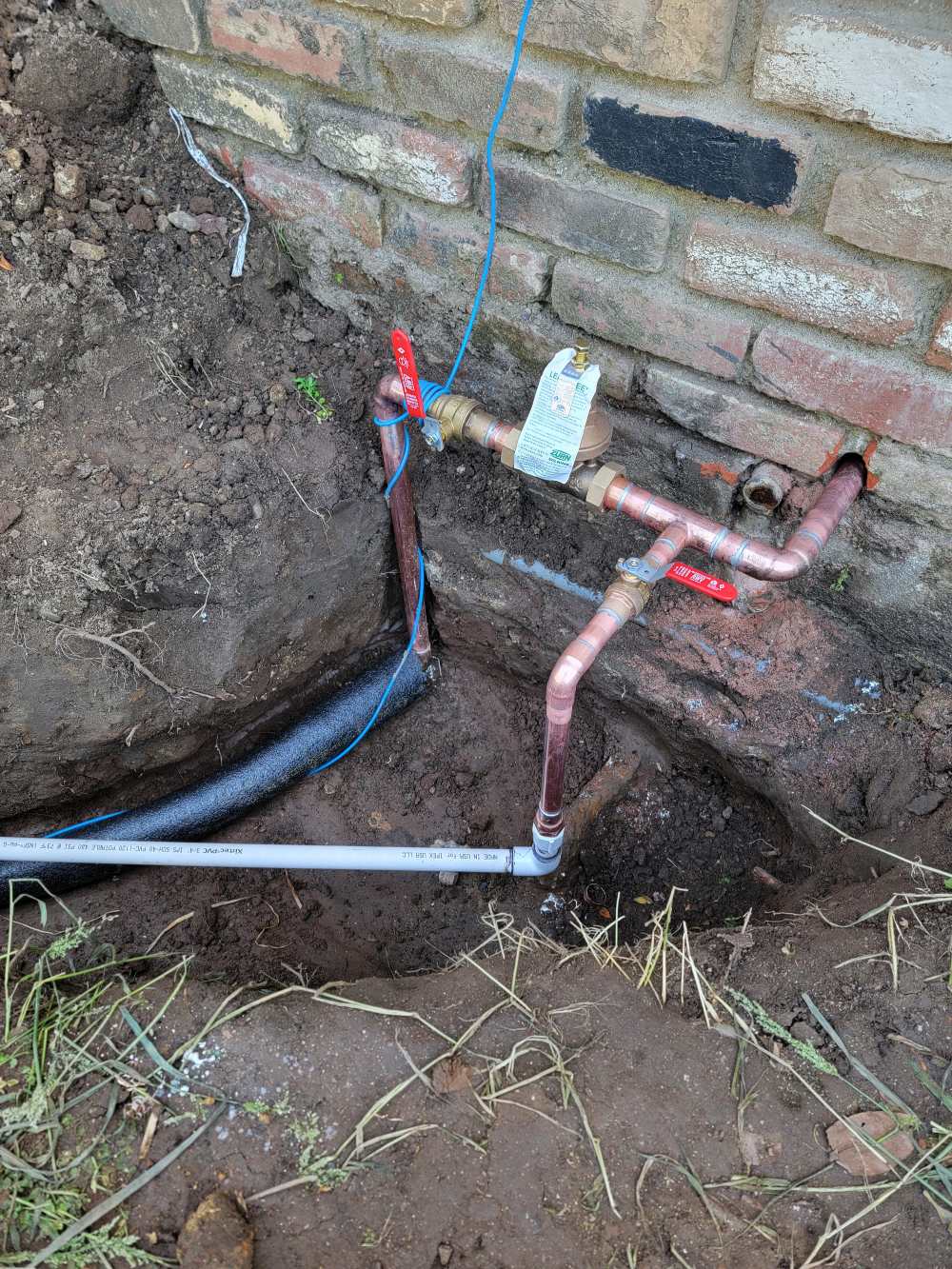
Homeowners often feel shocked when they see plumbing pipes coming up through the concrete floor. However, it is more common than you might think. Copper supply lines often rise vertically from the slab to connect to fixtures, water heaters, hose bibs, and plumbing manifolds. These vertical sections, also called “stub-ups,” are a key transition point in slab plumbing systems.
Unfortunately, stub-ups can become a trouble spot. Because they pass through concrete, they may experience stress due to movement, vibration, and thermal expansion. Over time, that stress can weaken the pipe. In addition, the pipe may rub against the concrete or sit in a spot where moisture lingers. When that happens, corrosion can develop more quickly, and the leak may occur right where the copper emerges from the slab.
That is why corroded copper pipes are not always hidden deep underground. Sometimes, the damage appears right at the surface where you can see it.
Warning Signs You May Have Corroded Copper Pipes
Some plumbing problems announce themselves quickly. Others stay quiet until the damage spreads. Either way, it helps to recognize the signs early so you can avoid major repairs later.
Here are some common signs homeowners notice:
-
You see water stains near the floors or baseboards
-
Your water bill suddenly increases without explanation
-
You smell a musty odor that will not go away
-
You notice warm spots on the floor
-
Your water pressure drops in one area of the home
-
You hear running water when everything is off
-
You find small leaks near copper pipe connections
-
Your water looks discolored or has a metallic taste
If you notice any of these issues, it is smart to schedule a professional inspection. The sooner you confirm the cause, the easier it is to plan the right fix.
Why Corrosion Happens in Copper Pipes
Copper is durable, but it is not invincible. Corrosion usually occurs when chemical reactions slowly break down the inside or outside of the pipe. That breakdown can lead to weak spots, pinhole leaks, and eventual failure.
Several factors can contribute to copper corrosion, including:
-
Water chemistry that wears down pipe walls
-
Mineral buildup that creates uneven wear
-
Aging solder joints or fittings
-
Excessive water pressure that stresses the pipe
-
Poor installation or tight bends that weaken copper
-
Slab contact that creates friction or trapped moisture
Because multiple factors can cause corrosion, a real diagnosis matters. KP Plumbing focuses on identifying the source of the problem instead of guessing. That way, the repair plan actually solves the issue rather than delaying it.
What It Takes to Fix Corroded Copper Pipes Coming Out of the Slab
When copper pipes protrude from the slab and show signs of corrosion, the repair approach depends on how far the damage has spread. In some cases, the problem is isolated. In other cases, it is part of a larger system breakdown. Either way, a professional plumber needs to evaluate the area carefully before starting work.
A proper repair often involves several steps. First, we locate the leak and confirm whether corrosion is visible on the outside of the pipe or happening internally. Next, we determine if the pipe has enough healthy material to support a long-lasting repair. After that, we plan the cleanest, safest solution based on access and the condition of the surrounding plumbing.
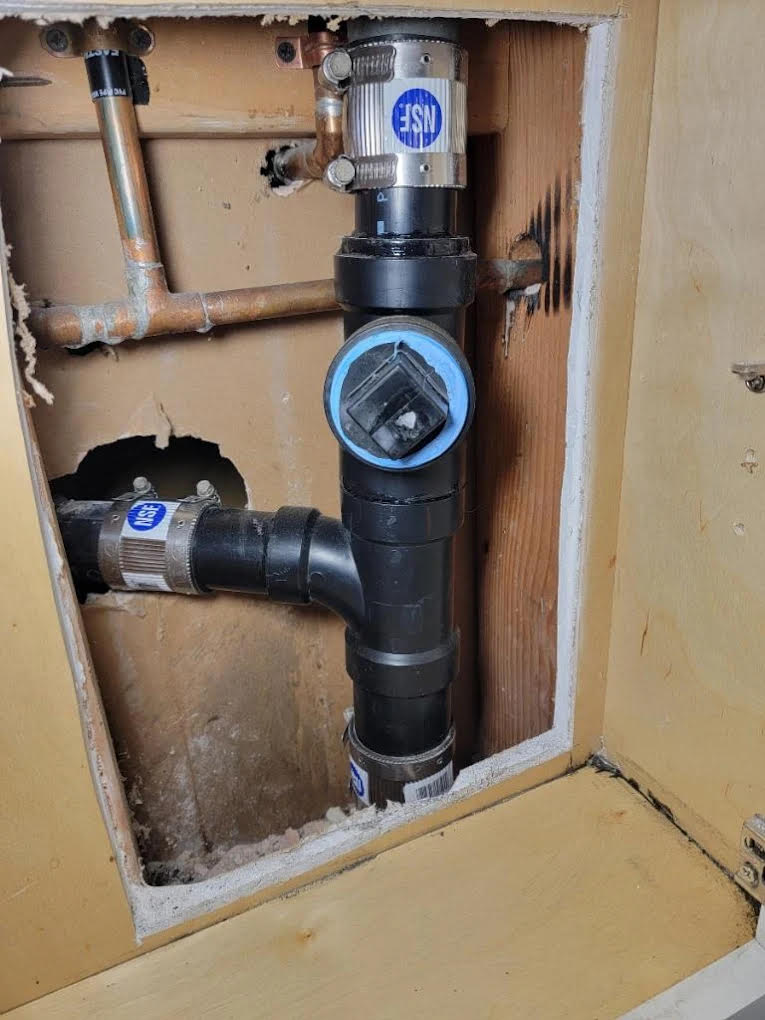
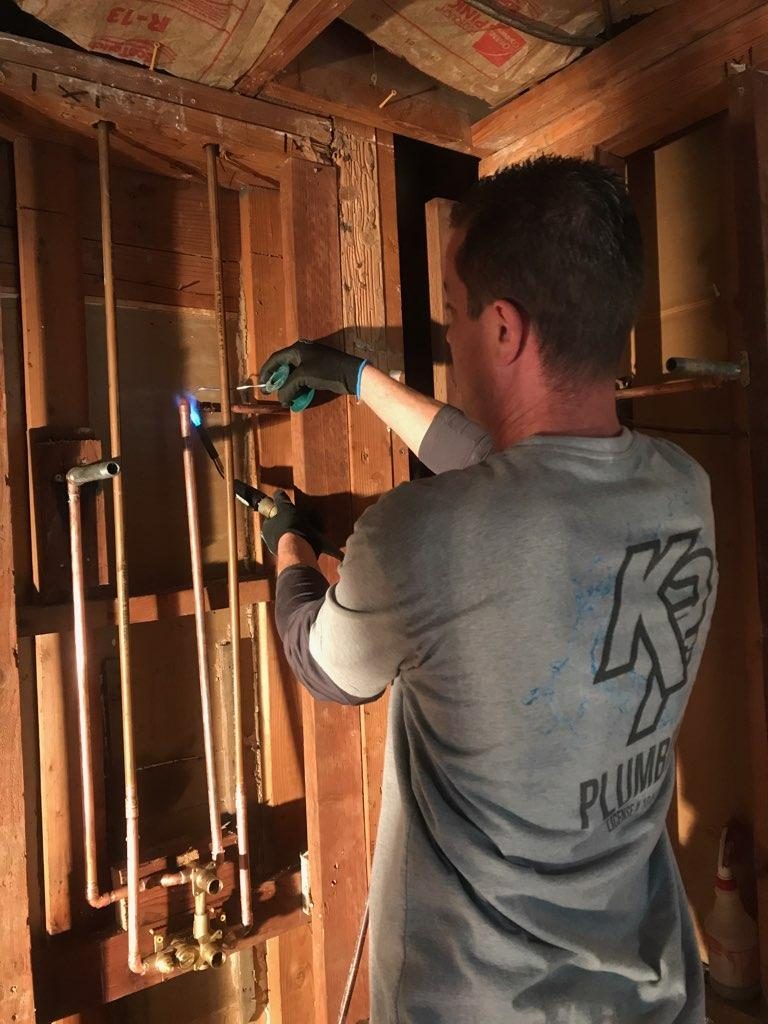
In many slab-related cases, fixing corroded copper pipes requires working in tight spaces, cutting and reconnecting pipe sections, and ensuring everything is sealed properly to prevent future leaks.
Common Repair Options for Slab Copper Pipe Corrosion
Every home is different, so the right solution depends on the situation. However, these are the most common repair strategies KP Plumbing may recommend.
Spot Repair for a Small, Isolated Leak
If corrosion is limited to one small section near the slab stub-up, a spot repair may be possible. This typically involves removing the damaged section and replacing it with new piping. In addition, the repair must include proper fittings and support so the pipe does not rub or stress at the slab opening.
Spot repairs can be effective when the rest of the plumbing remains in good condition. However, they may not be the best long-term choice if the system has widespread corrosion.
Rerouting the Line Above the Slab
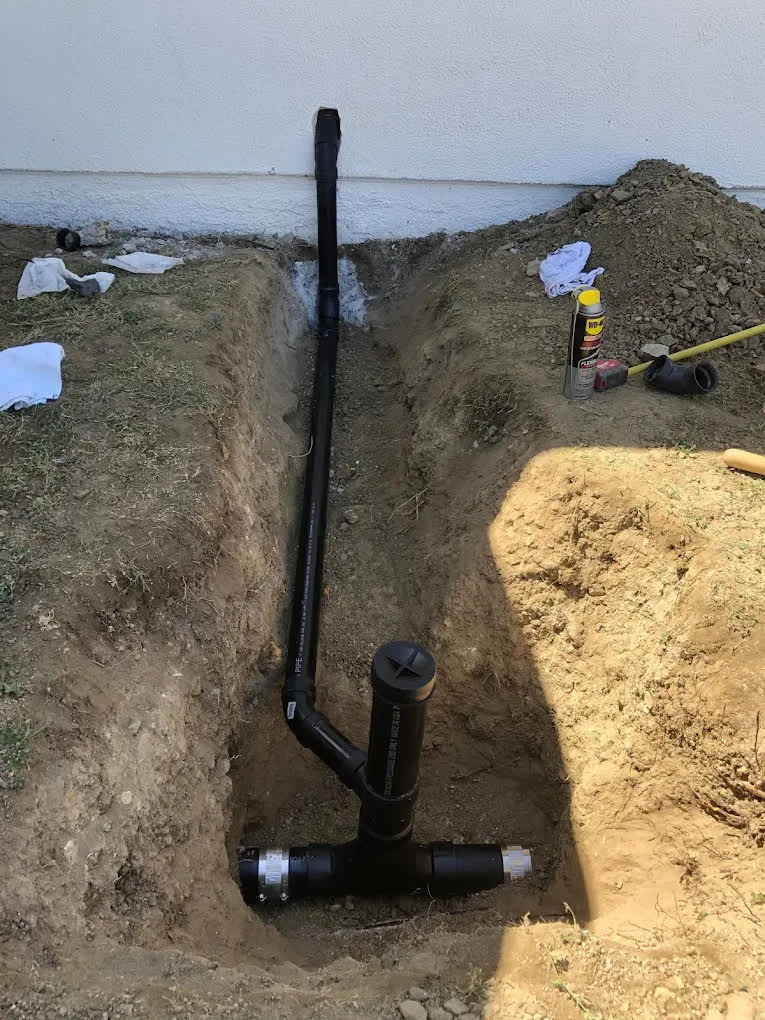
In many cases, rerouting is a smarter option. Instead of keeping water lines under the slab, the plumber runs new lines through walls or ceilings where they are easier to access. This method reduces the risk of future slab leaks, and it often makes repairs simpler down the road.
Rerouting can also prevent the need for repeated slab openings. That matters because breaking concrete is disruptive, messy, and expensive.
Partial Repipe for High-Risk Sections
Sometimes corrosion affects several areas but not the entire home. In that situation, a partial repipe can replace the most vulnerable sections while keeping other lines intact. This approach can balance cost and long-term reliability, especially if the home has multiple plumbing zones.
Whole-Home Repipe for Aging Copper Systems
If your home has recurring leaks, widespread corrosion, or older copper throughout, a full repipe may be the most cost-effective long-term solution. Although it is a bigger project upfront, it can eliminate the stress of constant repairs and water damage risk.
KP Plumbing will walk you through the pros and cons so you can choose the right level of repair.
What Happens If the Pipe Is Under the Slab Instead?
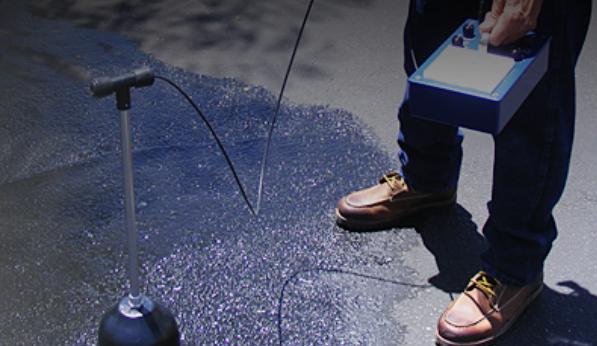
Sometimes the corrosion is not at the stub-up. Instead, it is deeper under the concrete. In that case, the repair process becomes more involved. The plumber may need to precisely locate the leak, confirm the best access point, and decide whether to repair under the slab or reroute the line above it.
Slab leak repairs require experience. You want a team that takes the time to protect your home, minimize disruption, and make repairs that last. KP Plumbing approaches these jobs carefully because we know homeowners need both skill and honesty when dealing with slab plumbing issues.
Why You Should Not Ignore Corroded Copper Pipes
It is tempting to delay plumbing repairs when the leak seems small. However, slab-related plumbing issues rarely stay small. Water under a slab can spread quickly and cause damage that can be expensive to fix.
For example, ongoing leaks may lead to:
-
Mold growth
-
Flooring damage
-
Wall swelling or cracking
-
Foundation shifting concerns
-
Higher water bills
-
Structural moisture issues
The longer the leak continues, the more it can affect your home. That is why early action saves money and stress.
How KP Plumbing in Diamond Bar Handles Slab Pipe Repairs
Homeowners want answers, not pressure. They also want a plumber who shows up, communicates clearly, and does the job right. That is exactly what KP Plumbing aims to provide.
We take the time to thoroughly evaluate the problem. Then we explain the repair options in plain language. After that, we complete the work with care, attention to detail, and clean workmanship. If you want to see what local homeowners say about us, you can read our reviews here:
Schedule Service for Corroded Copper Pipes in Diamond Bar
If you suspect corroded copper pipes, especially pipes coming out of your slab foundation, do not wait for the next leak to get worse. A professional inspection can confirm what is happening and help you choose the right repair plan before water damage spreads.
KP Plumbing in Diamond Bar is ready to help with honest service and dependable solutions. Contact us today to schedule an inspection and get your plumbing back to a safe, reliable condition.